Trade & Policy · Wagyu Explained
The Price of Craft: Why Japanese Wagyu Costs More in 2026
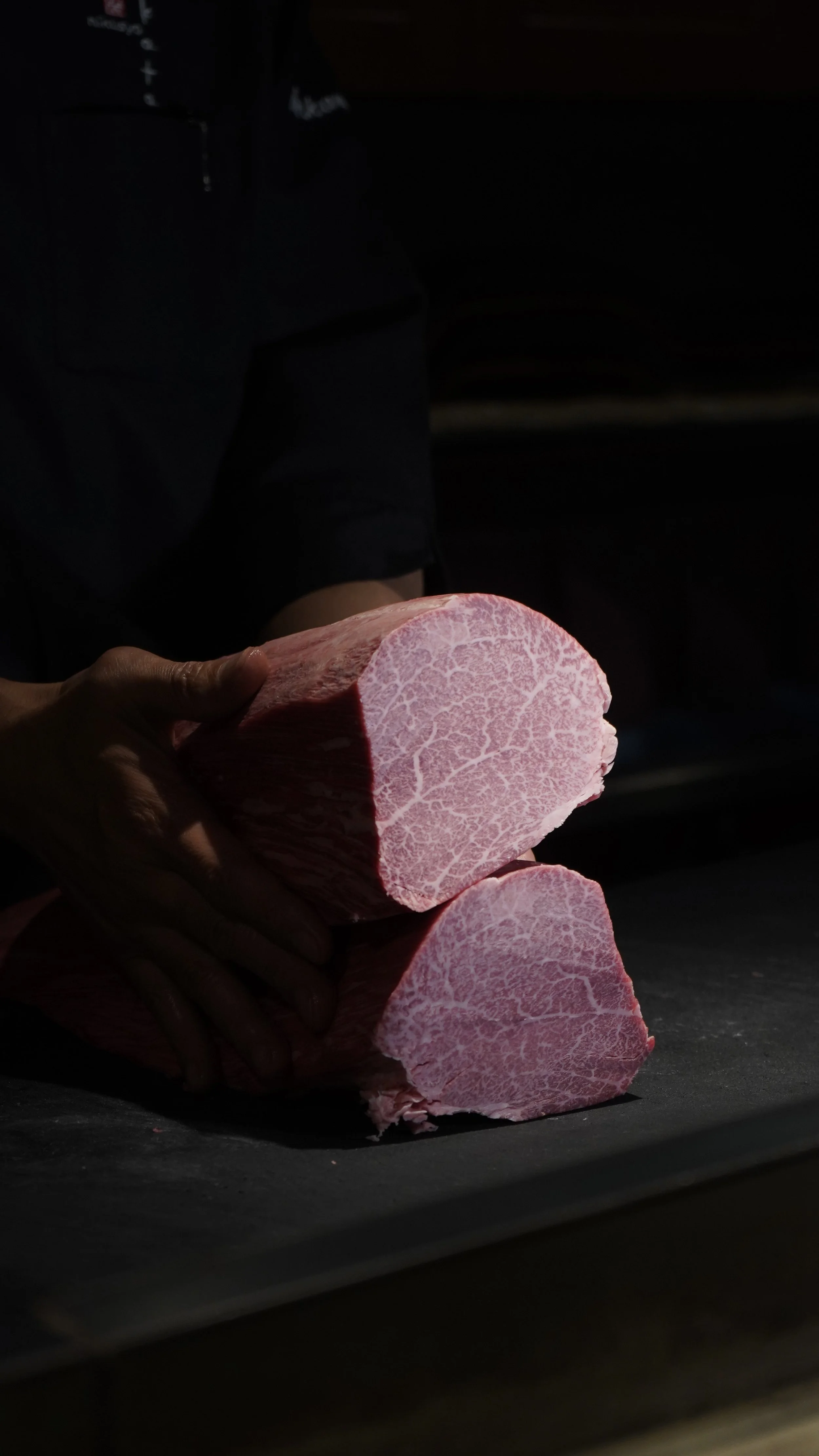
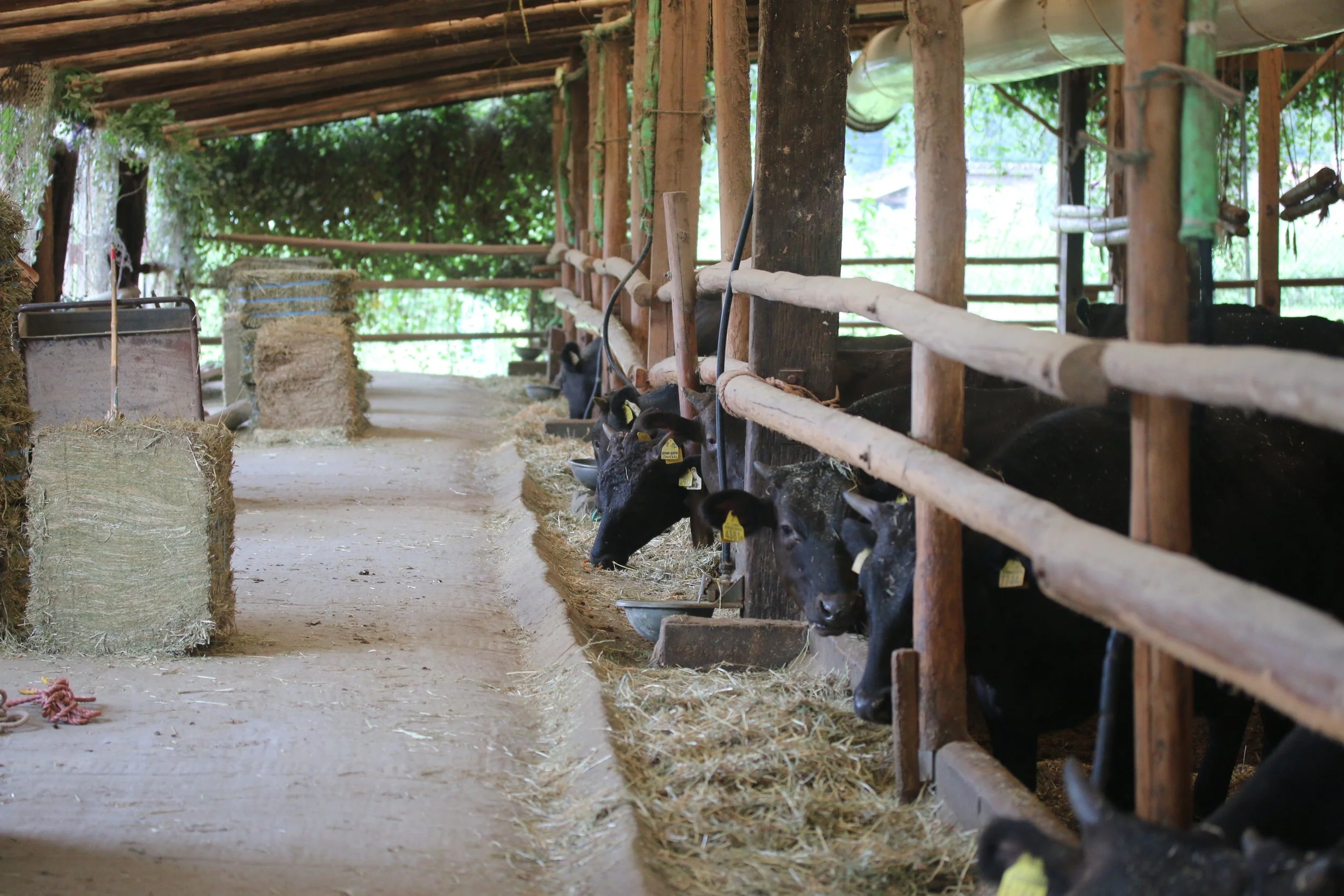
A 26.4% tariff. A quota exceeded on January 6th. A diplomatic meeting between PM Takaichi and President Trump. Behind every A5 price increase is a supply chain story that begins on a farm in Hyogo and ends on a menu in New York.
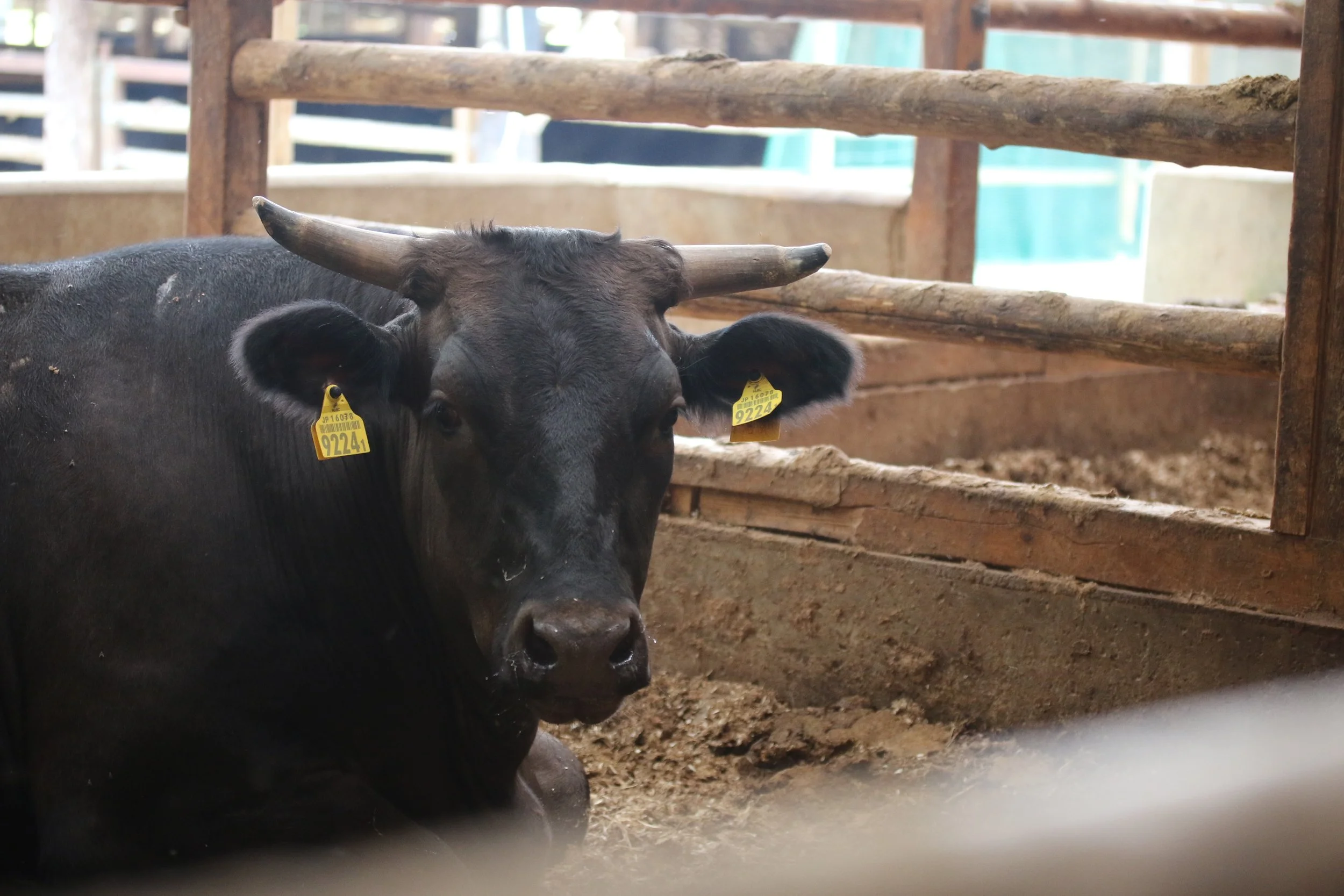
How Wagyu Cows Are Raised: Behind the Scenes of Japan's Premium Beef Production
Raising Wagyu cattle is a carefully structured process combining traditional farming methods with modern techniques, all aimed at producing exceptional quality beef.
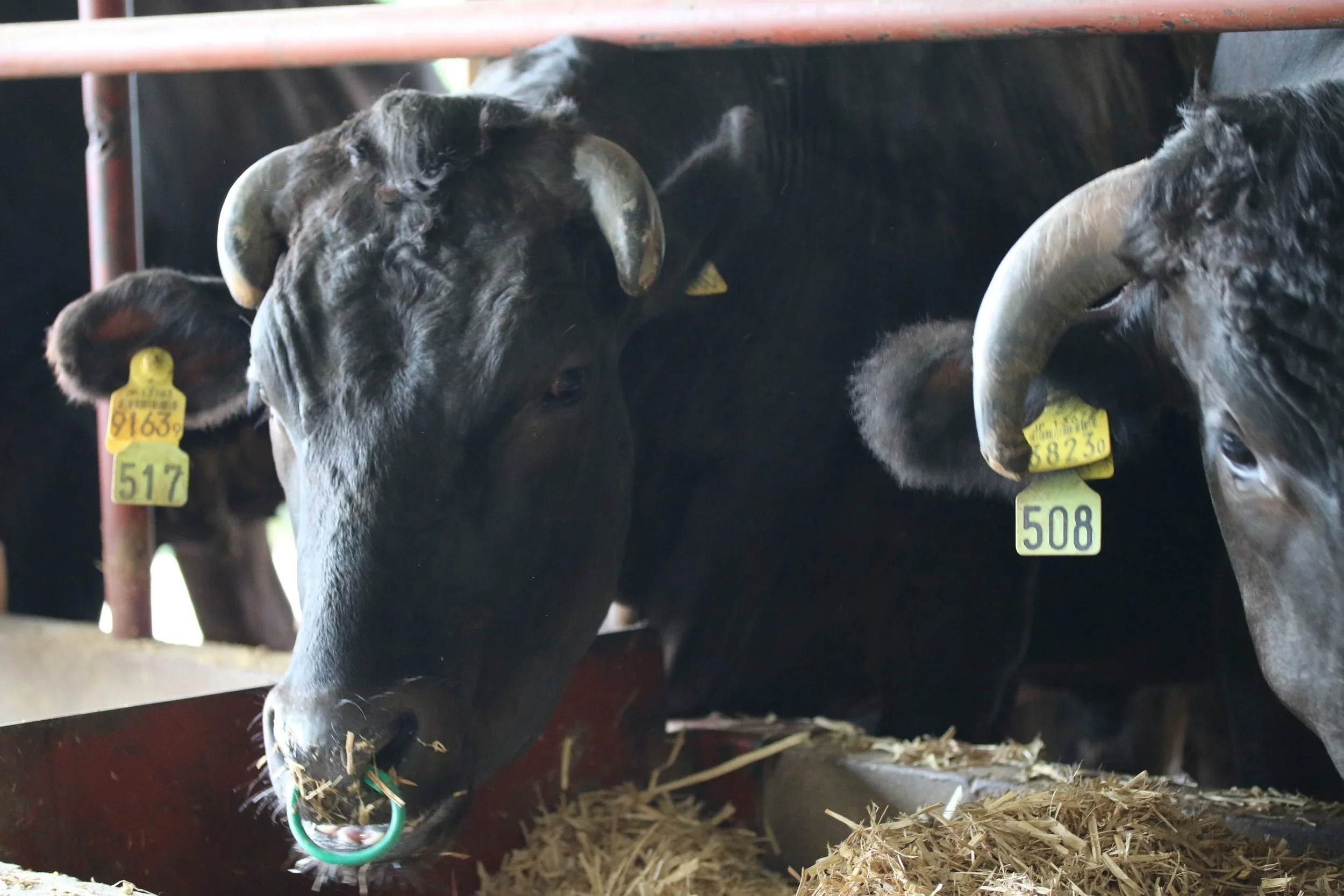
Where Does Wagyu Beef Come From? The Origins of Japan's Finest Beef
The story of Wagyu begins in Japan, where cattle farming has been evolving over the past two centuries, producing some of the finest beef known to humankind.
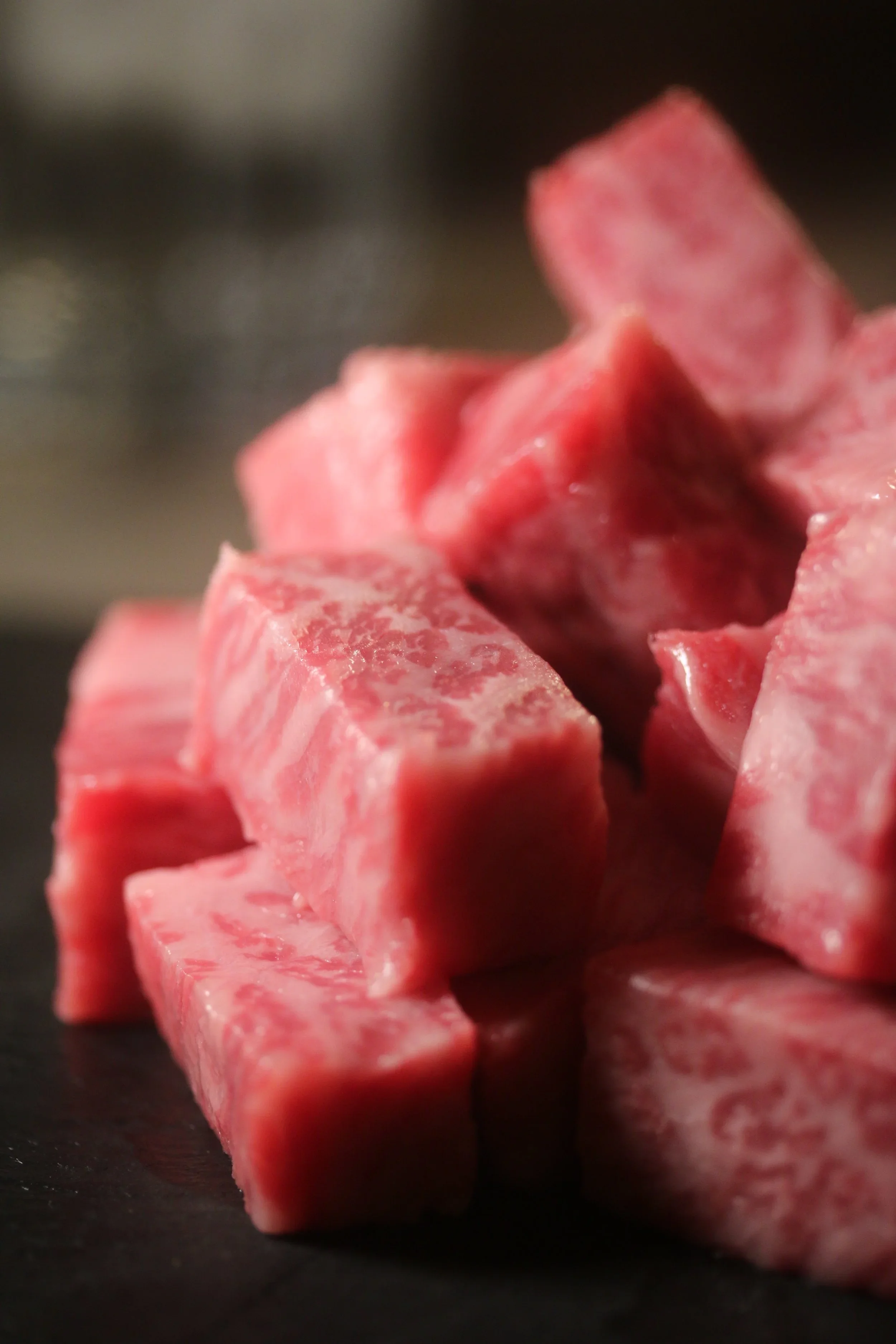
Choosing the Right Wagyu at a Japanese Supermarket
What is the price of Wagyu in Japan? Is it cheaper than abroad? What should you look for? Everything you need to know before you shop.
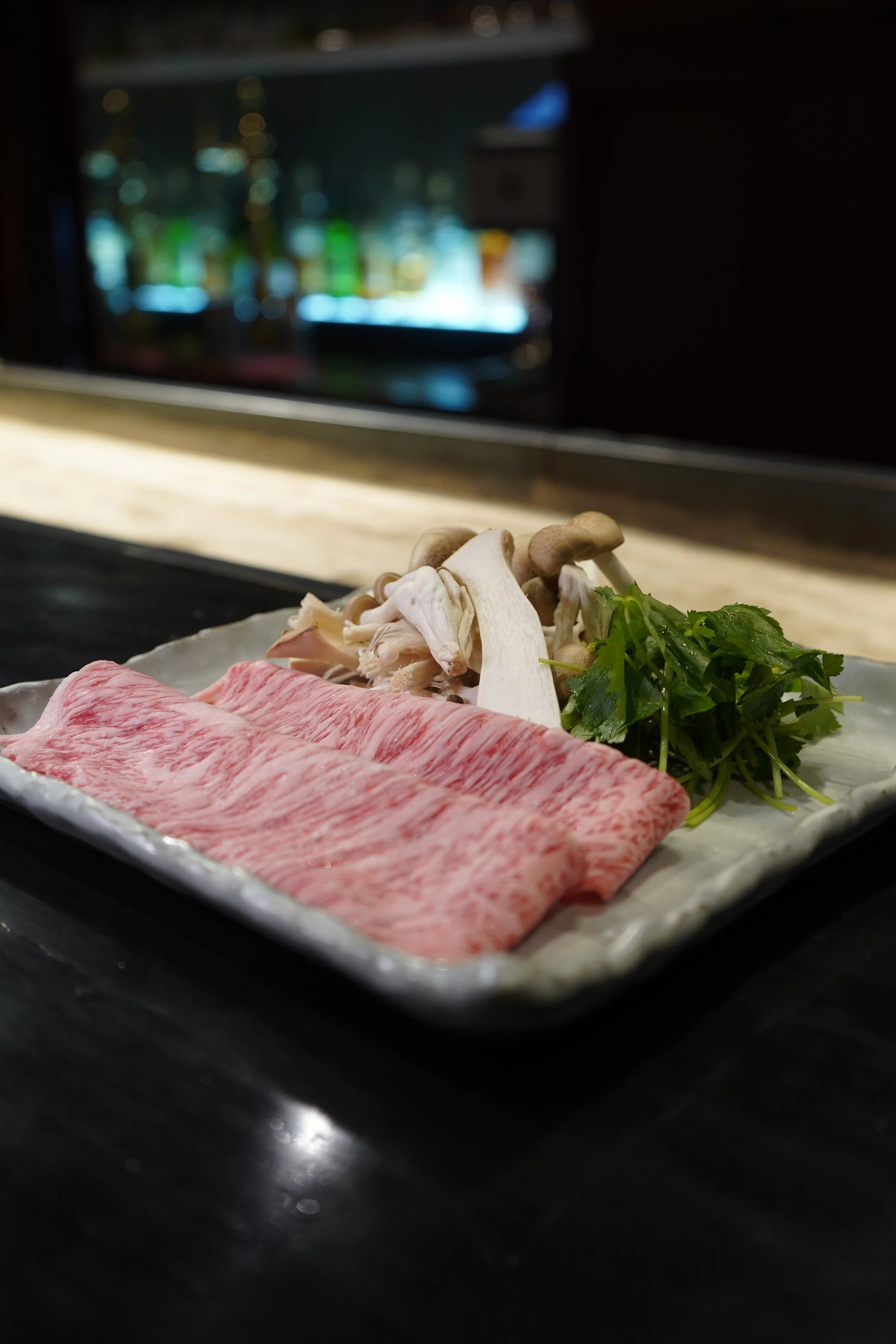
Wagyu Ribeye: One Cut, Many Ways
For many people, ribeye is the ultimate steak. Here's how Wagyu ribeye is different — and how to get the most from every gram of it.
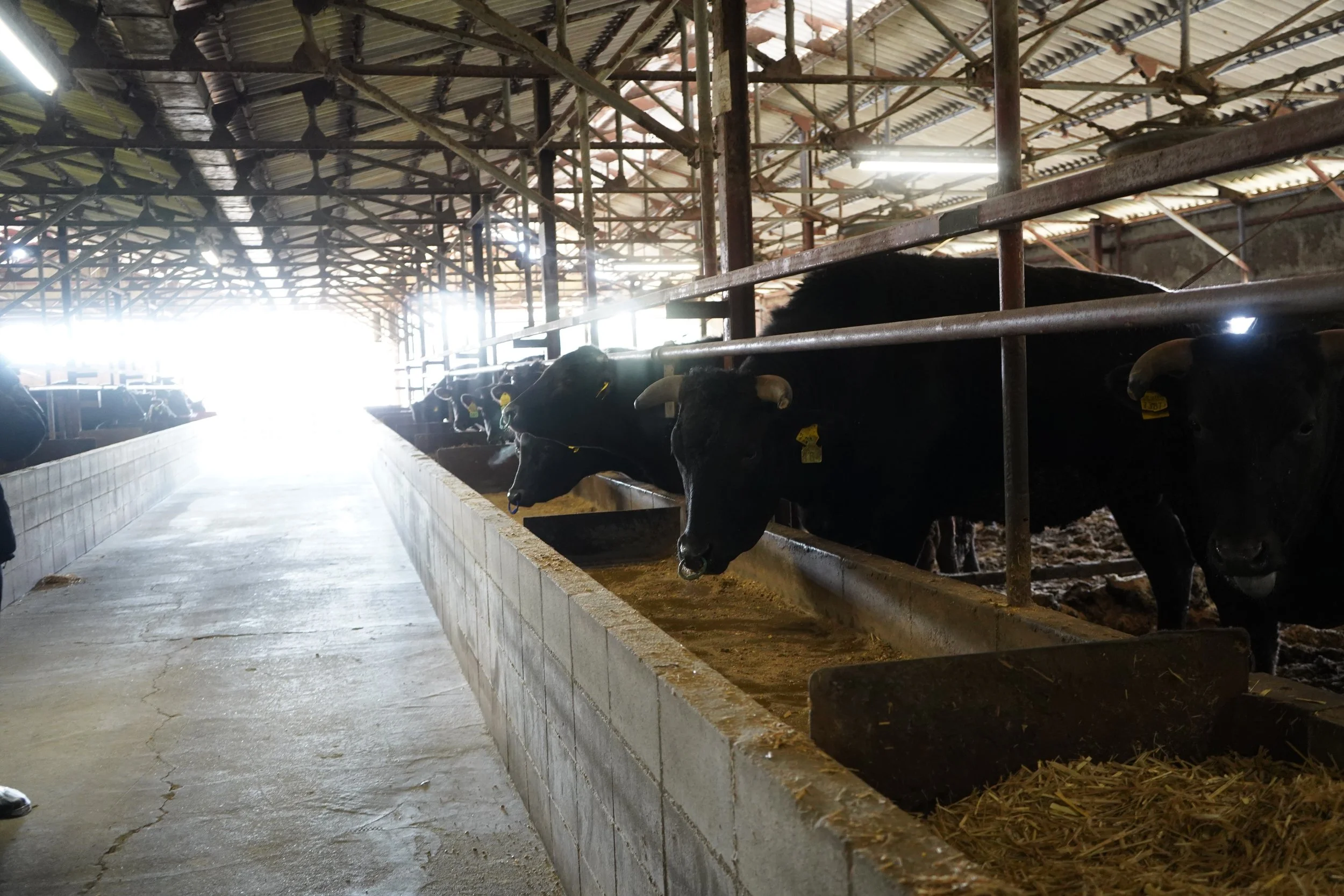
Have You Heard of Tajima Gyu?
Tajima Gyu isn't just a regional name — it's one of the most influential bloodlines in the entire history of Wagyu, and the foundation of Kobe Beef.
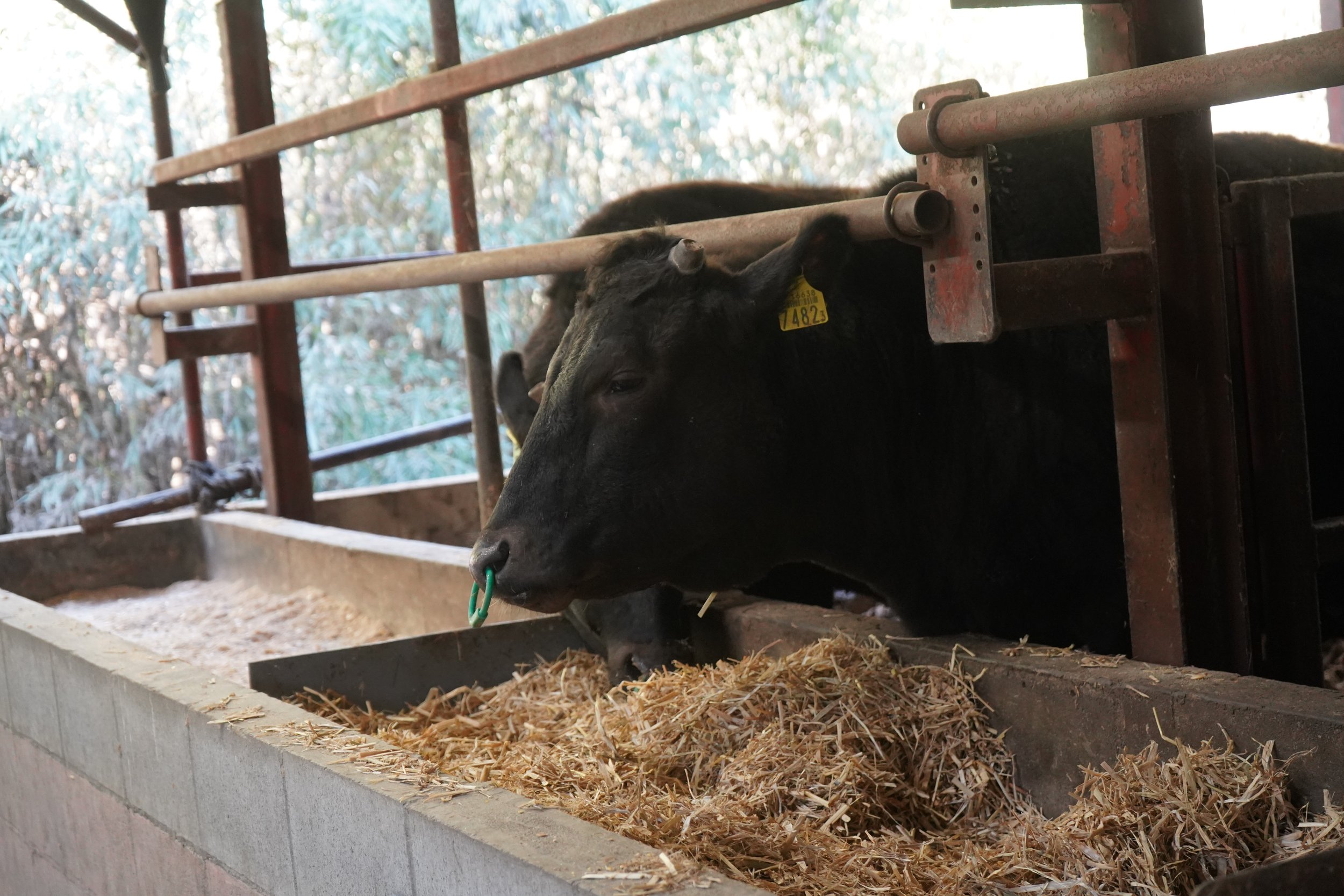
The Art of Traceability: How Japan Selects Wagyu
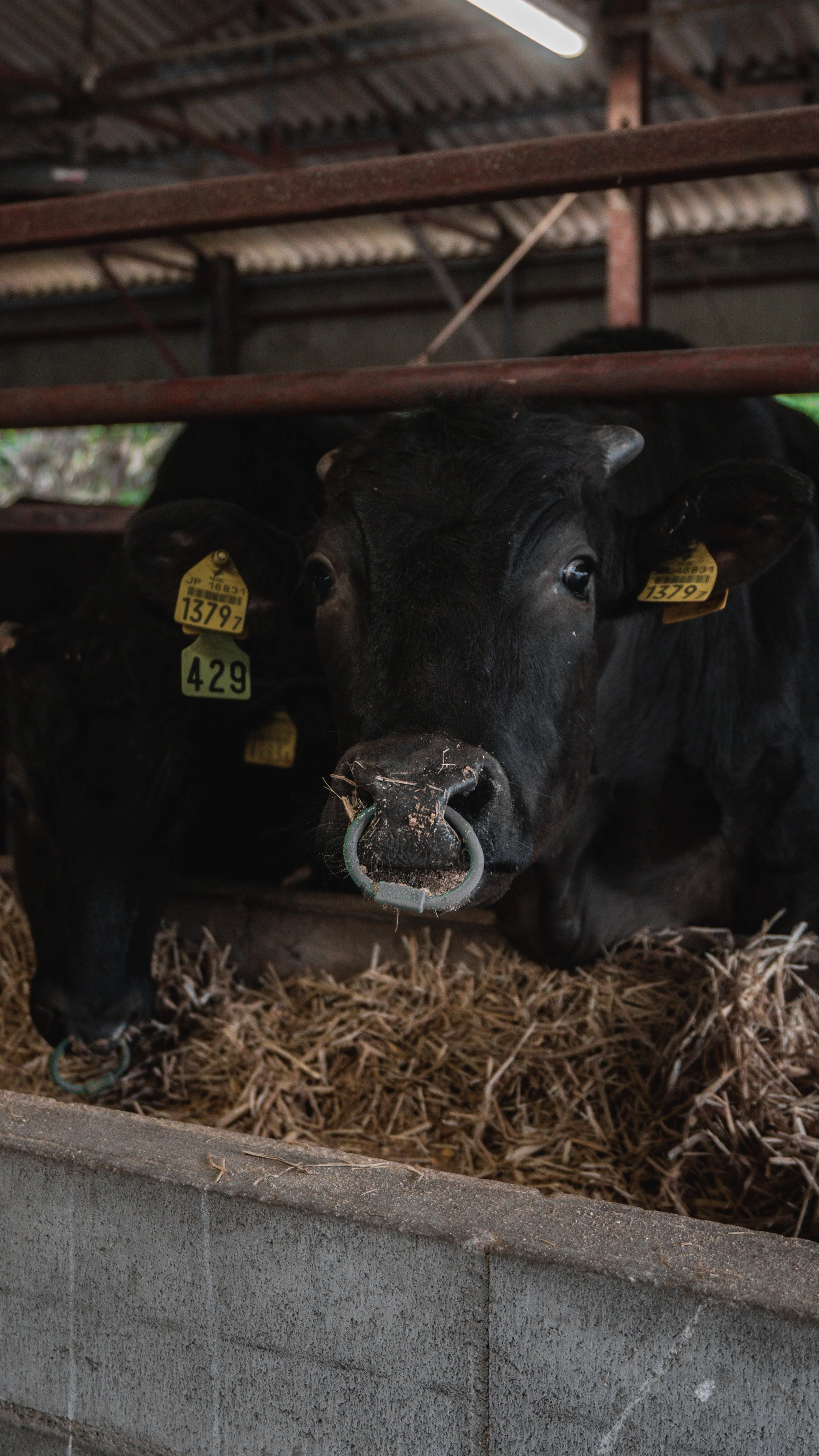
In many parts of the world, traceability has become a deciding factor in how people buy beef. In Japan, this system has been quietly in place for decades.
What About Wagyu Brands?
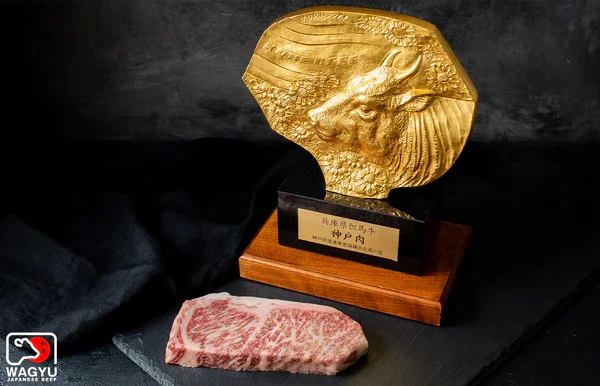
Names like Kobe Beef, Olive Wagyu, and Miyazaki Beef are frequently highlighted in media and menus. Here's what these designations actually mean.
Comparing Two Wagyu Brands: Kobe Beef vs Miyazaki Beef
Two of Japan's most celebrated Wagyu designations compared — what makes each distinct in provenance, character, and flavour profile.
Kitan Minami-Semba: Dry-Aged Wagyu Yakiniku Near Shinsaibashi in Osaka
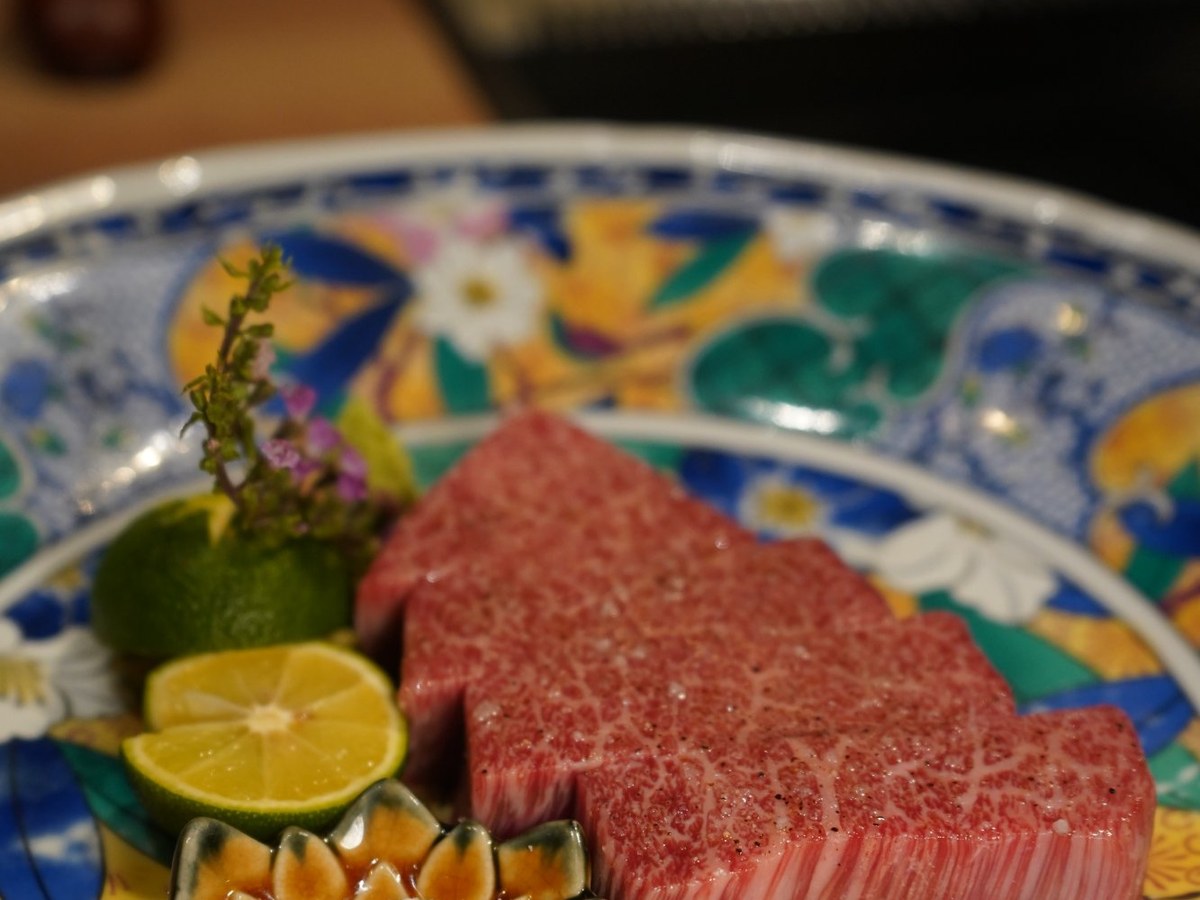
One of Osaka's most interesting Wagyu yakiniku restaurants, specialising in dry-aged Japanese beef steps from Shinsaibashi.
Yuzaburō: A Creative Wagyu Omakase Experience in Kobe
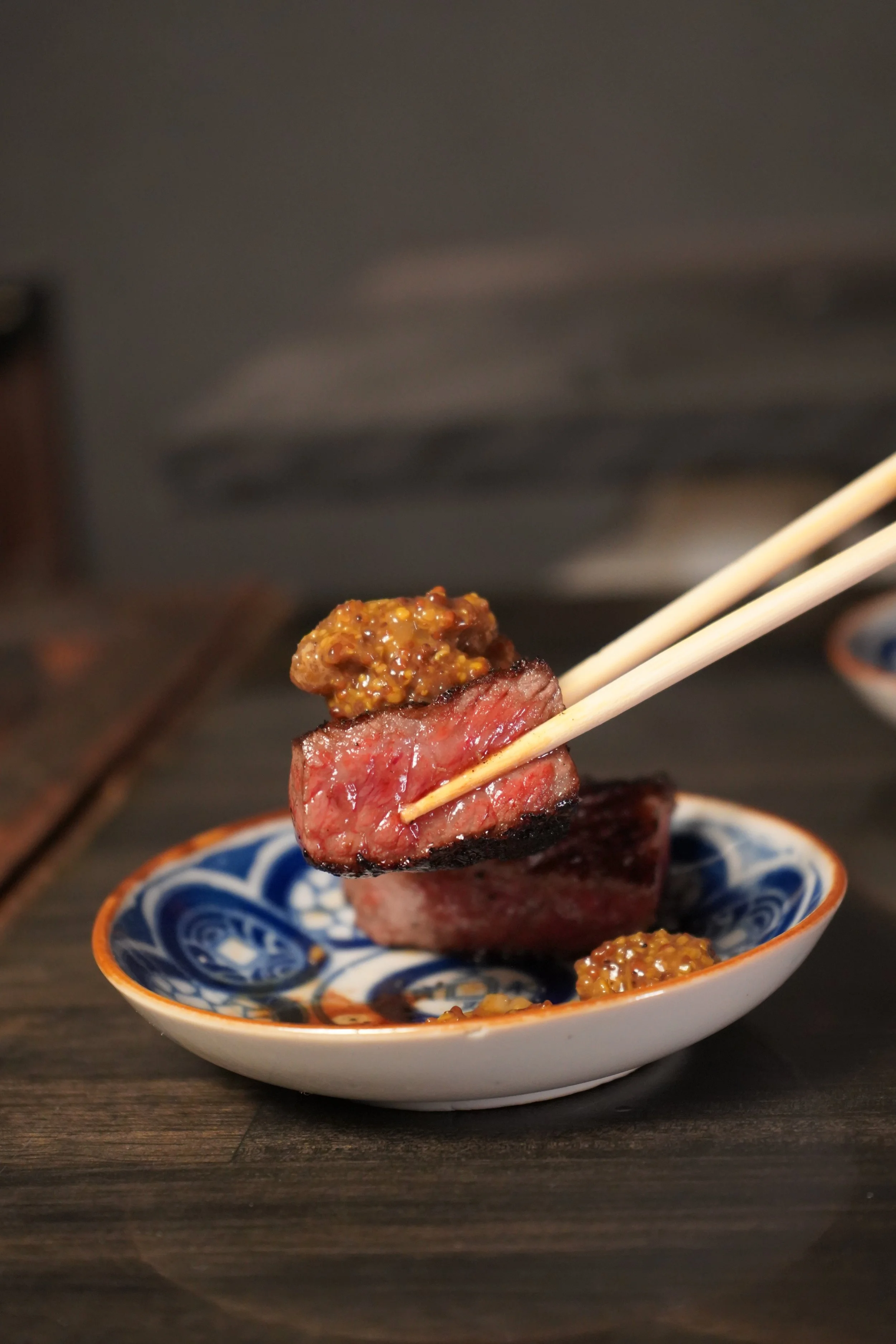
Chef Miki's omakase — built on the philosophy that Wagyu is best understood through creativity, not convention. A defining Kobe experience.
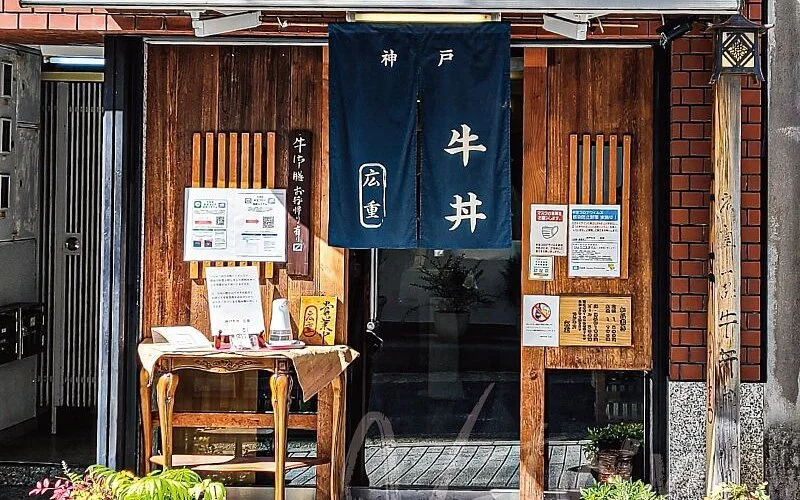
Kobe Beef in a Bowl: Kobe Gyudon Hiroshige
What happens when Japan's most legendary beef designation meets one of its most democratic formats? Hiroshige in Kobe has the answer.
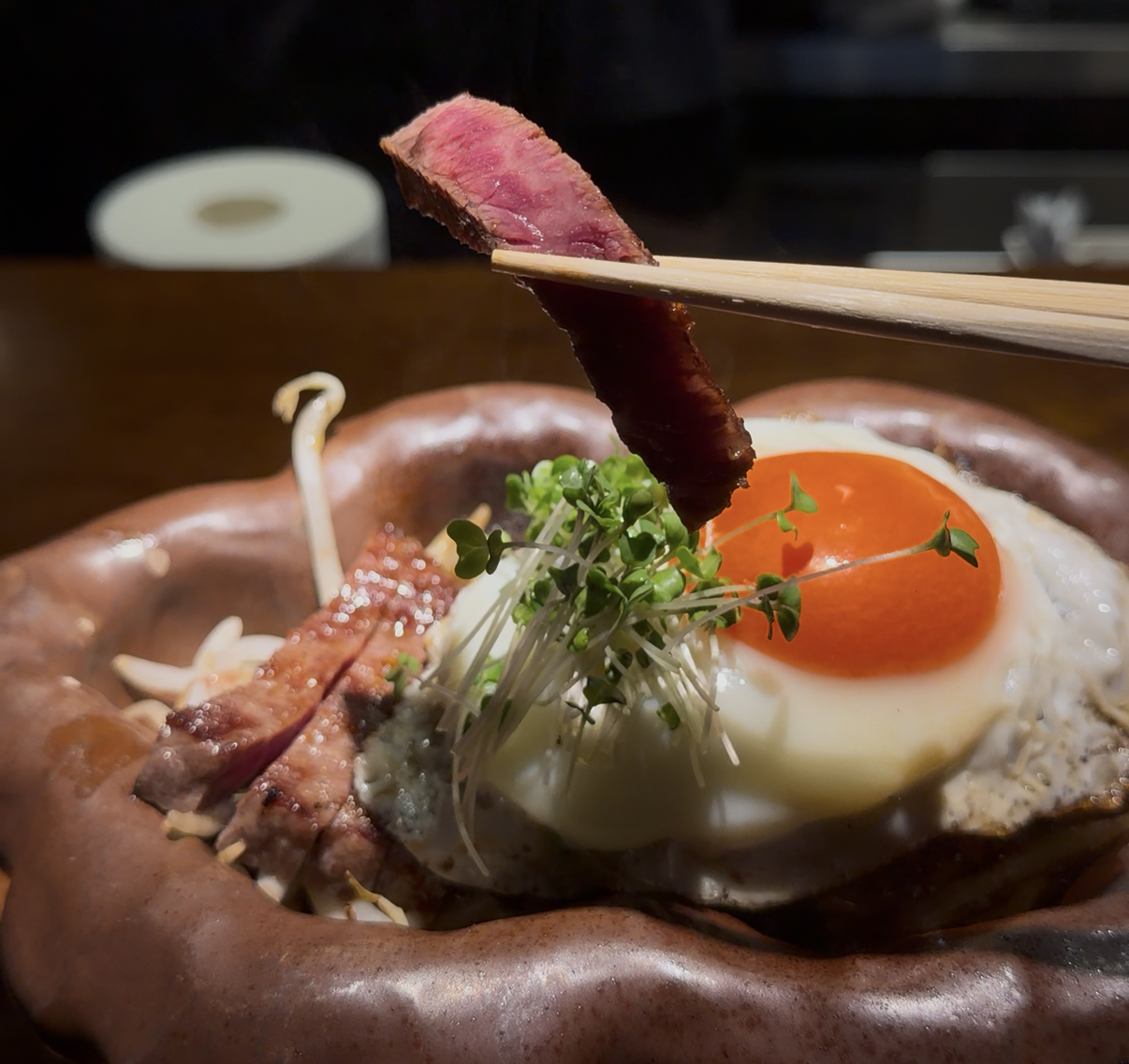
Gururi Osaka – A Kobe Beef Specialty Focused on Wagyu Hamburg
Gururi takes Japan's beloved hambagu format and elevates it with certified Kobe beef. The result is something quietly extraordinary.
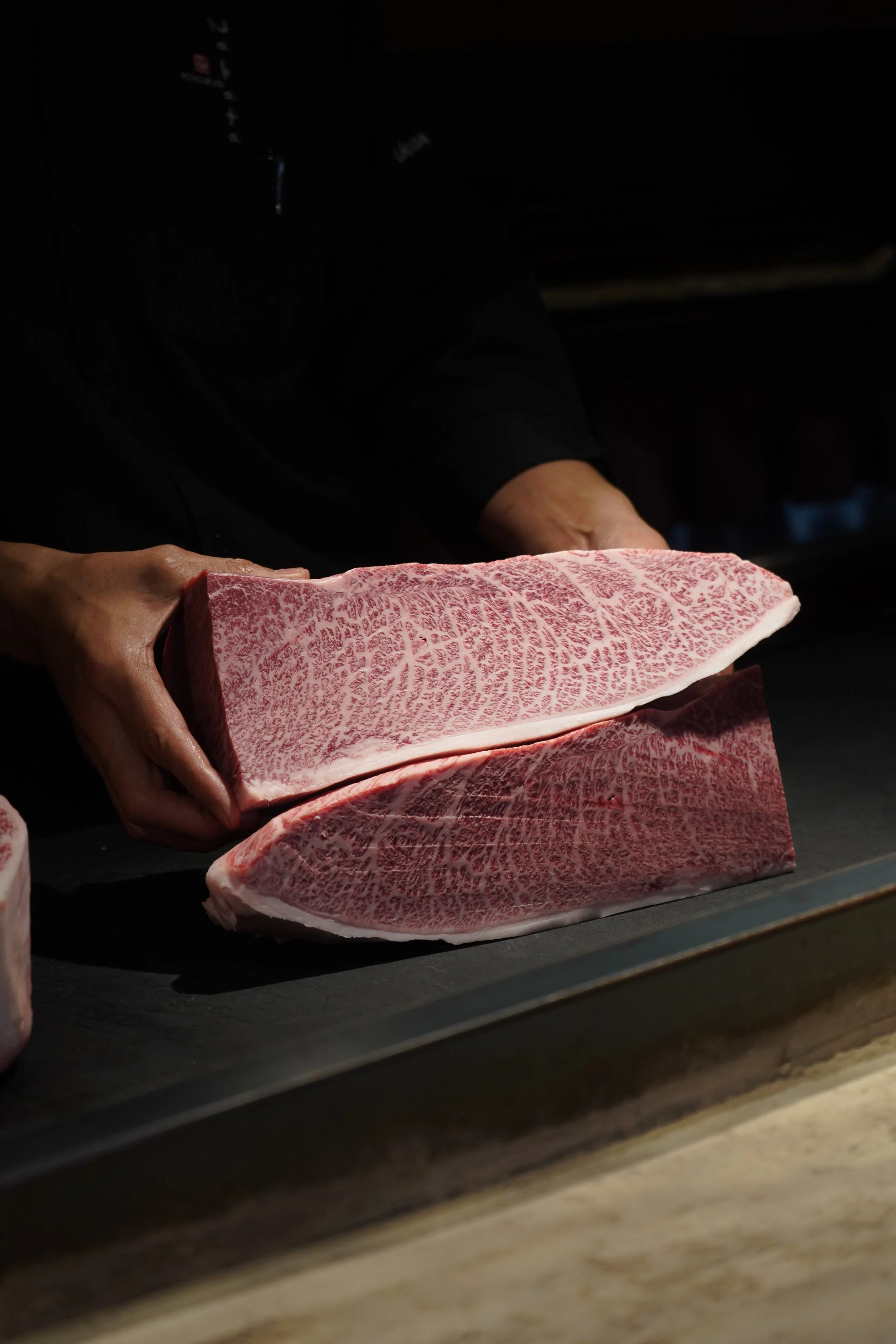
Nikusho Nakata: Charcoal-Grilled Wagyu Experience in Namba, Osaka
Charcoal-grilled Wagyu in the heart of Namba — one of the best examples of the izakaya-meets-premium-beef format that Osaka does so well.
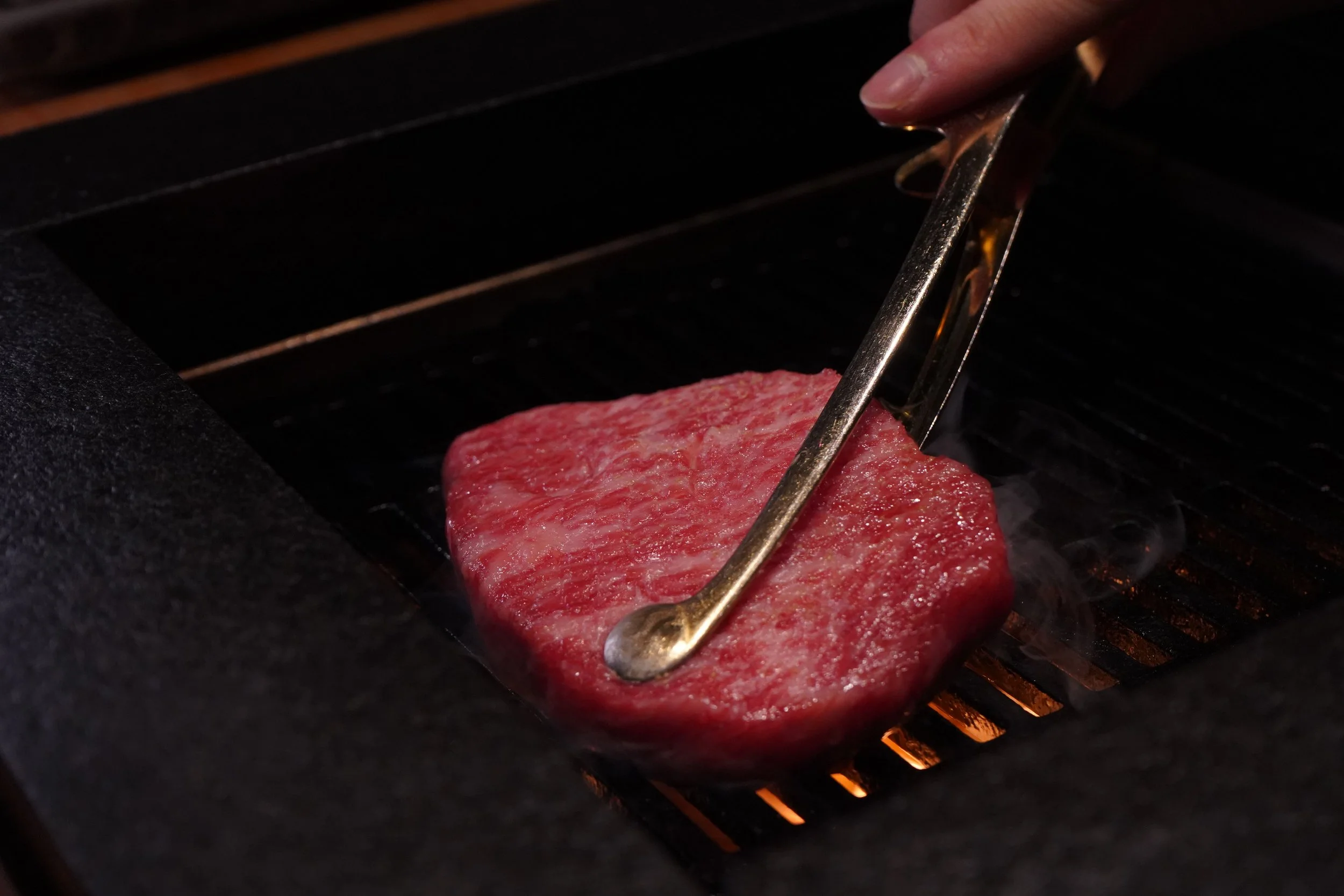
Tajimaya Shinsaibashi: A Restaurant Dedicated to Tajima Beef
Tajimaya works solely with Tajima cattle — the bloodline that forms the base of Japanese Wagyu. A rare restaurant commitment to a single foundational bloodline.
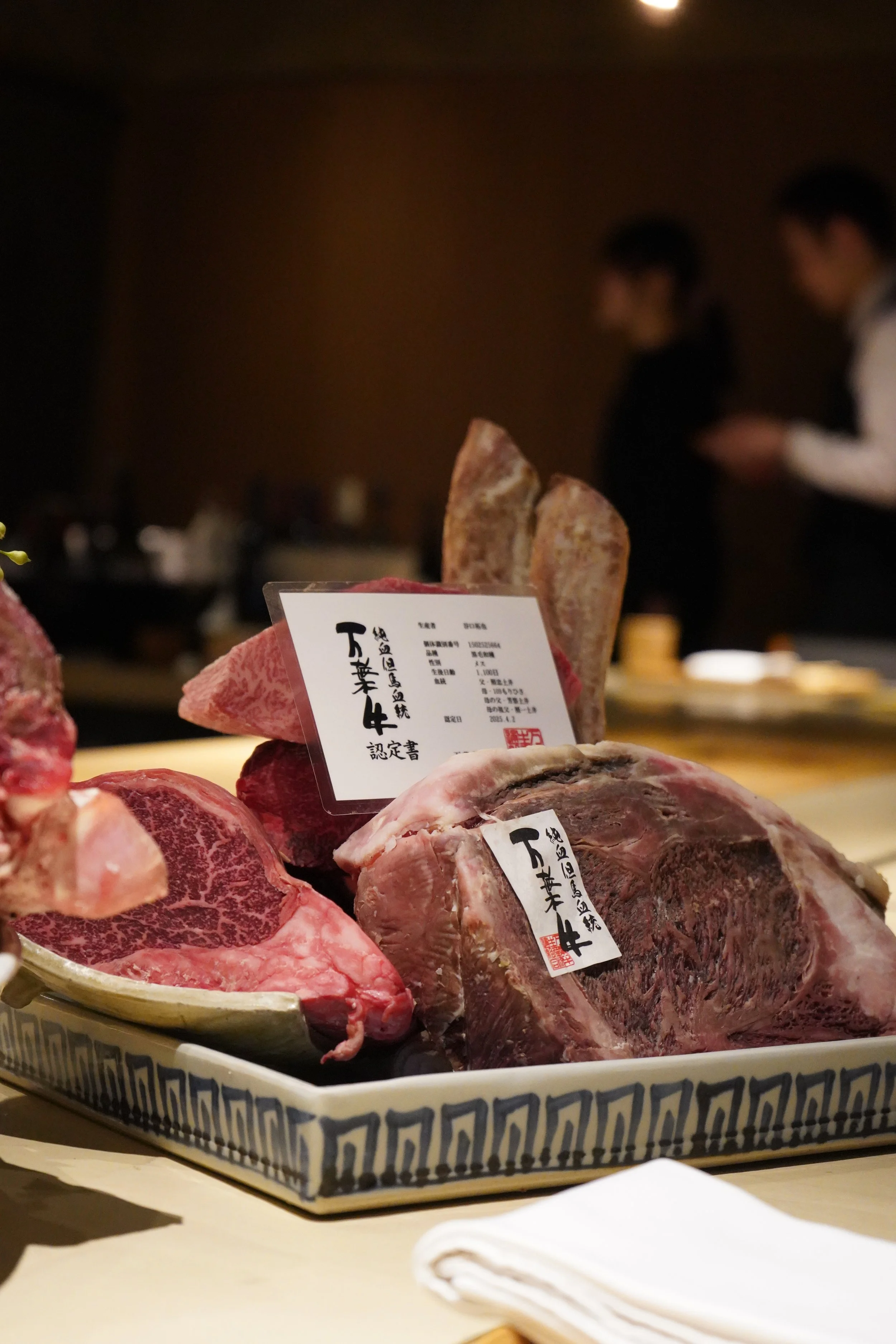
Kitan In — A Benchmark for Modern Wagyu Cuisine
Kitan in has quietly established itself as one of the most considered approaches to modern Wagyu dining in Japan.
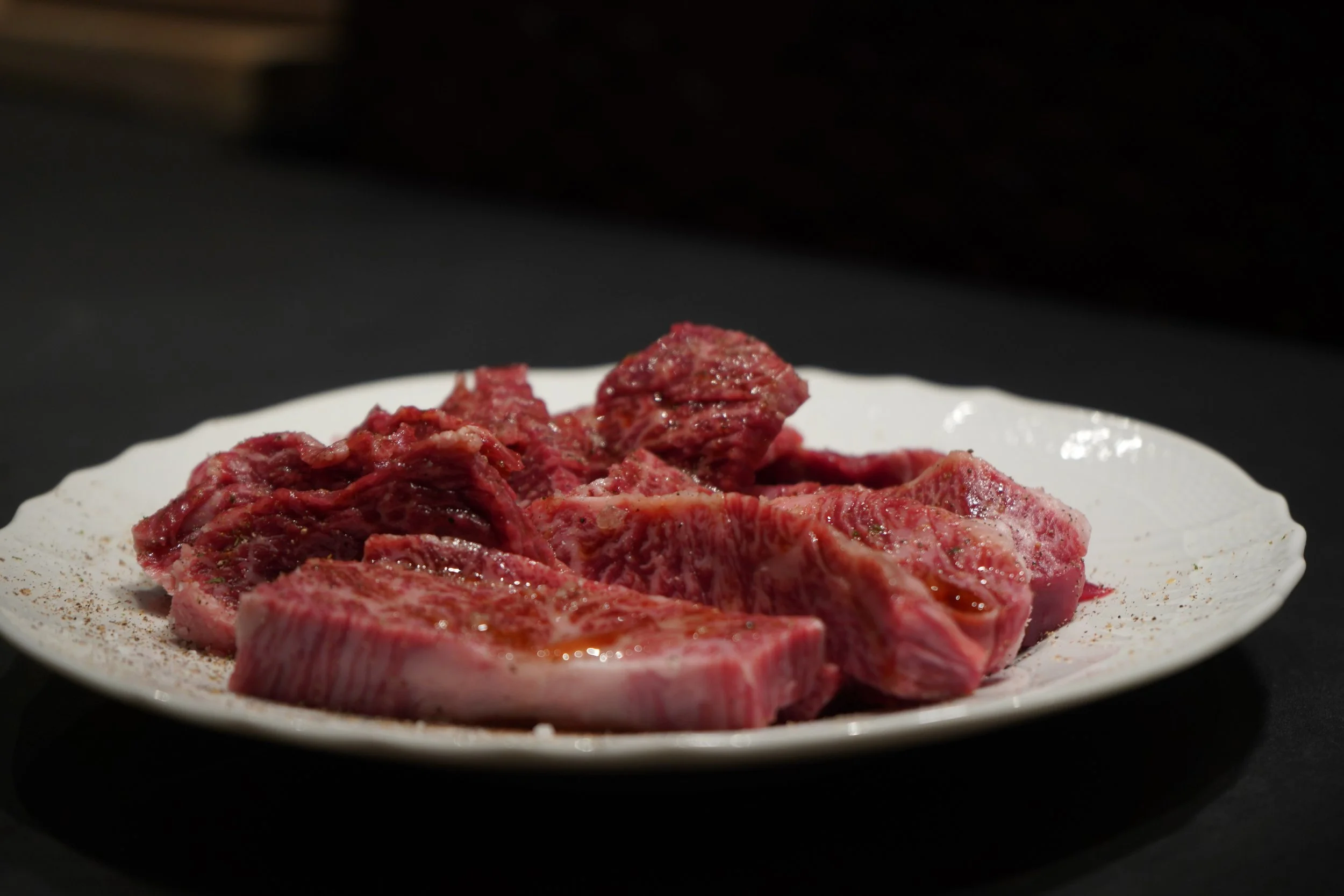
Experience Wagyu in Osaka: Kiki's Premium Yakiniku in Fukushima
Rather than focusing on the highest marbling grades, owner Nakai-san chooses beef that delivers the best flavour. A philosophy worth understanding.
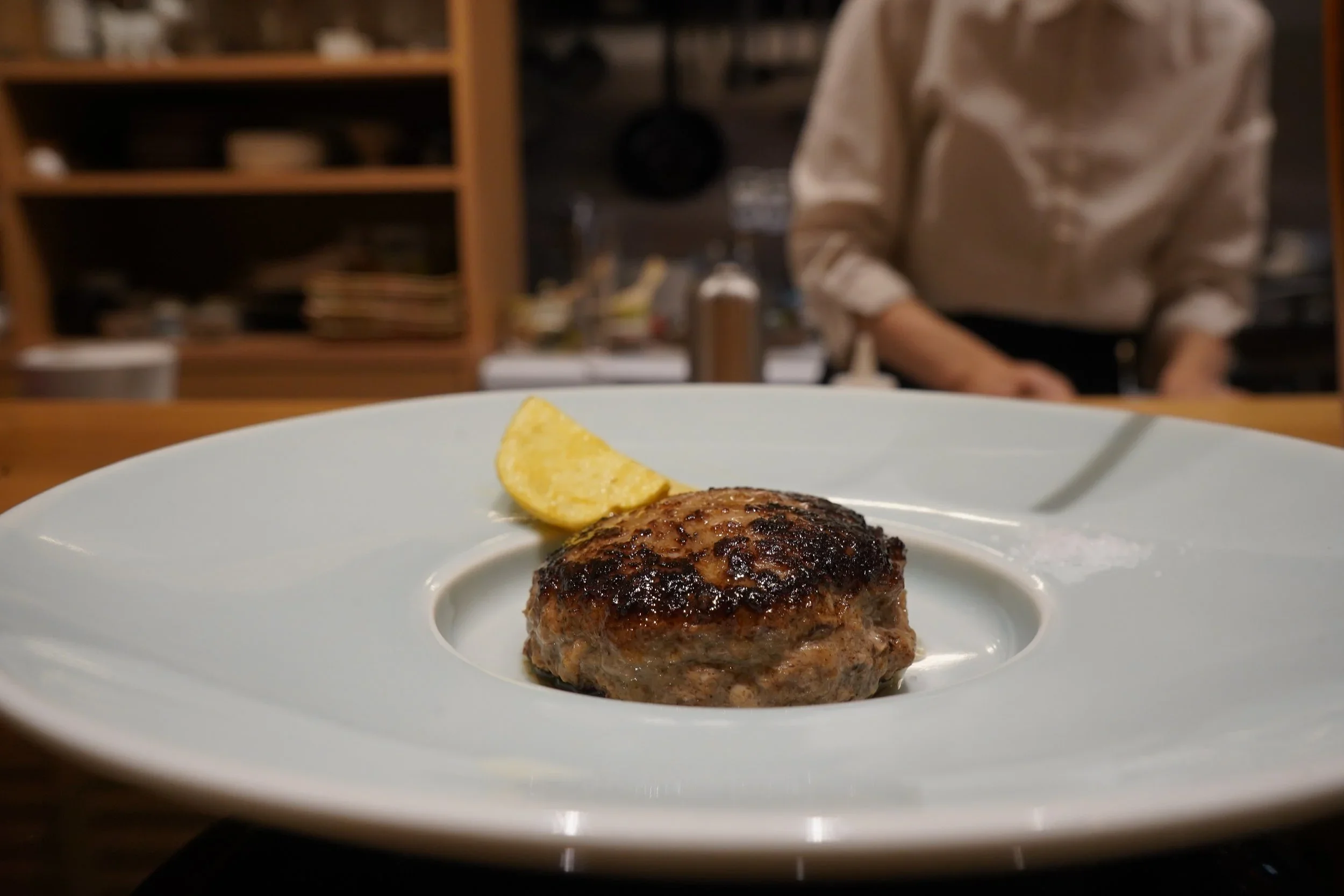
Discovering Fukunaga: An Omi Wagyu Experience in Shiga Prefecture
Omi Beef is Japan's oldest branded Wagyu. Fukunaga is one of the best places to understand why it has endured for over 400 years.