Where Does Wagyu Beef Come From?
The Origins of Japan's Finest Beef
The Origins of Japan's Finest Beef
Wagyu beef, known for its marbling and melt-in-your-mouth texture, is one of the most sought-after meats in the world. But where does this beef come from? The story of Wagyu begins in Japan, where cattle farming has been evolving over the past two centuries, producing some of the finest beef known to humankind.
"Wagyu" simply means "Japanese cattle" (和牛), with "wa" meaning Japanese and "gyu" meaning cattle. The origins of these unique breeds can be traced back over 2,000 years, when cattle were initially used for agriculture and labour rather than for meat production. It wasn't until the late 19th century, during the Meiji Restoration, that cattle began to be bred specifically for meat, and selective breeding practices gradually developed.
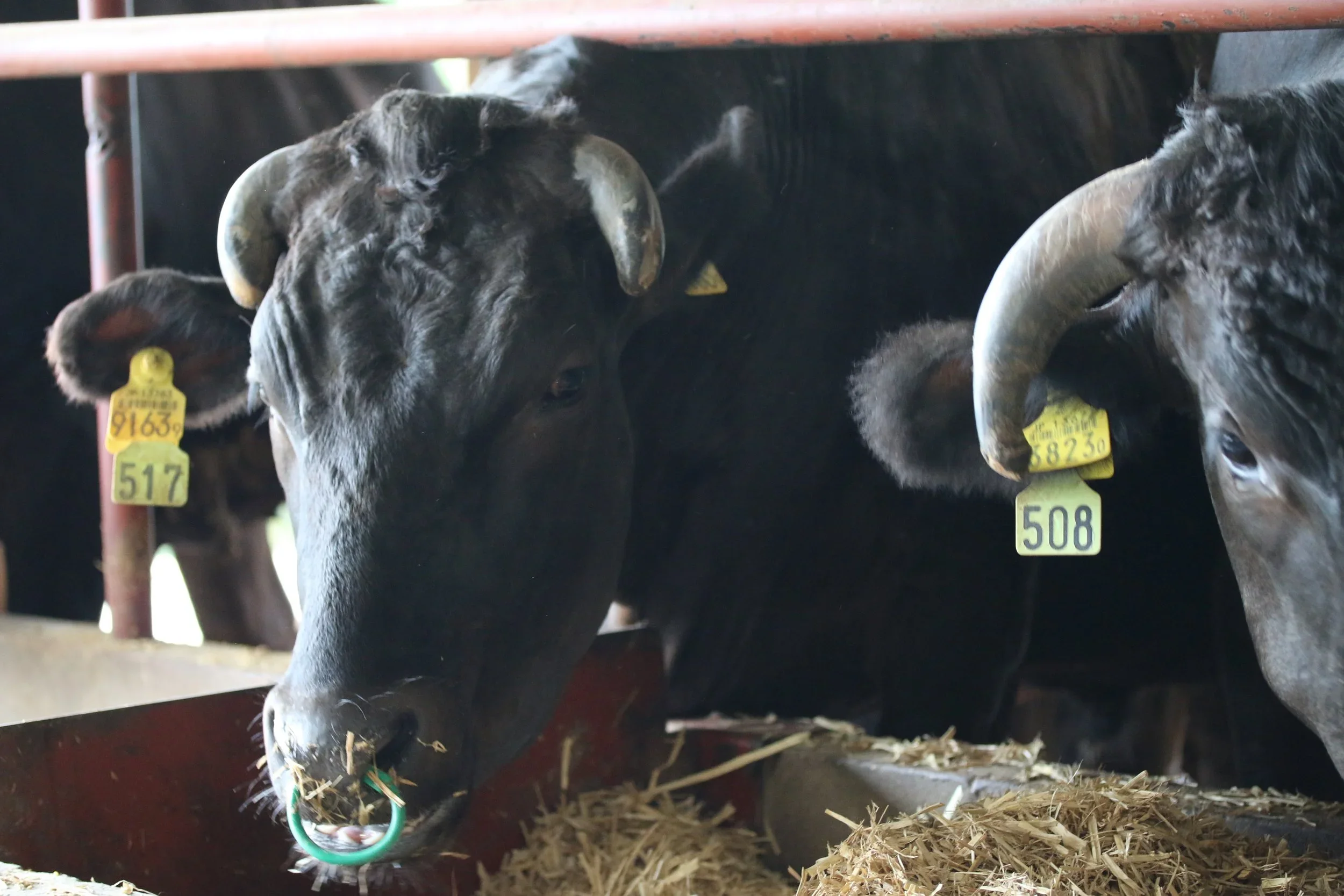
What sets Wagyu apart is not only the breed but also the meticulous care and attention given to each cow. Japanese farmers have perfected the art of raising Wagyu, focusing on creating ideal conditions to produce beef that is rich in marbling, flavour, and tenderness.
Japan is home to several different types of Wagyu, with each region known for its unique characteristics. These regional varieties are often named after the area where the cattle are raised. The four main breeds are:
Each region prides itself on its own particular type of Wagyu, with some of the most famous varieties being Kobe, Matsusaka, and Omi beef — each with its own strict certification requirements and regional identity.
"What sets Wagyu apart is not only the breed but the meticulous care given to each cow. Japanese farmers have perfected the art of raising Wagyu over two centuries."
Wagyu production in Japan is highly regulated, ensuring the quality of beef remains at the highest level. Farmers raise their cattle in carefully controlled environments, with diets that are carefully designed to enhance the flavour and marbling of the meat. Some farmers go to great lengths to reduce the stress levels of their cattle, believing it results in better-quality meat.
These specialised farming techniques have led to the unparalleled tenderness and flavour that Wagyu is known for today. In addition to domestic consumption, Japan exports Wagyu beef around the world, with an increasing number of restaurants and diners eager to experience its unique qualities. However, authentic Japanese Wagyu is still relatively rare and commands a premium price — a reflection of the extraordinary amount of time, care, and expertise that goes into every animal.
The Wagyu Record
Weekly dispatches on Wagyu culture, trade, and the people behind the world's most extraordinary beef.
No spam. Unsubscribe any time.