Kitan Minami-Semba
Dry-Aged Wagyu Yakiniku Near Shinsaibashi in Osaka
Dry-Aged Wagyu Yakiniku Near Shinsaibashi in Osaka
Osaka has no shortage of yakiniku restaurants, but only a handful focus on dry-aging Wagyu specifically for yakiniku. One place doing exactly that is Kitan Minami-Semba — part of the Kitan restaurant group known for working closely with Wagyu producers and exploring different ways to present Japanese beef.
Minami-Semba sits between Shinsaibashi and Honmachi, two of Osaka's central districts. While only a few minutes from the busy shopping streets of Shinsaibashi, the atmosphere here is noticeably calmer. The neighbourhood is known for its independent boutiques, cafés, and smaller restaurants — a popular area for people who want to explore a quieter side of Osaka's food scene.
Kitan Minami-Semba is located on a side street just east of the main boulevard, tucked into the basement level of a building. The setting gives the restaurant a slightly hidden feel compared to the more crowded dining areas nearby — the kind of place you find because someone told you about it.
The defining feature of Kitan Minami-Semba is its focus on dry-aged Wagyu prepared for yakiniku. The restaurant sources Kuroge Wagyu directly from the slaughterhouse, allowing the team to select cuts suitable for aging. While fresh Wagyu is already known for its tenderness and marbling, aging allows the flavour to become more concentrated while developing deeper aromas.
At Kitan Minami-Semba, diners can enjoy both fresh and dry-aged Wagyu cuts — a combination that allows guests to experience the contrast between the clean flavour of fresh meat and the deeper umami of aged beef side by side. It is a rare opportunity even in Japan.
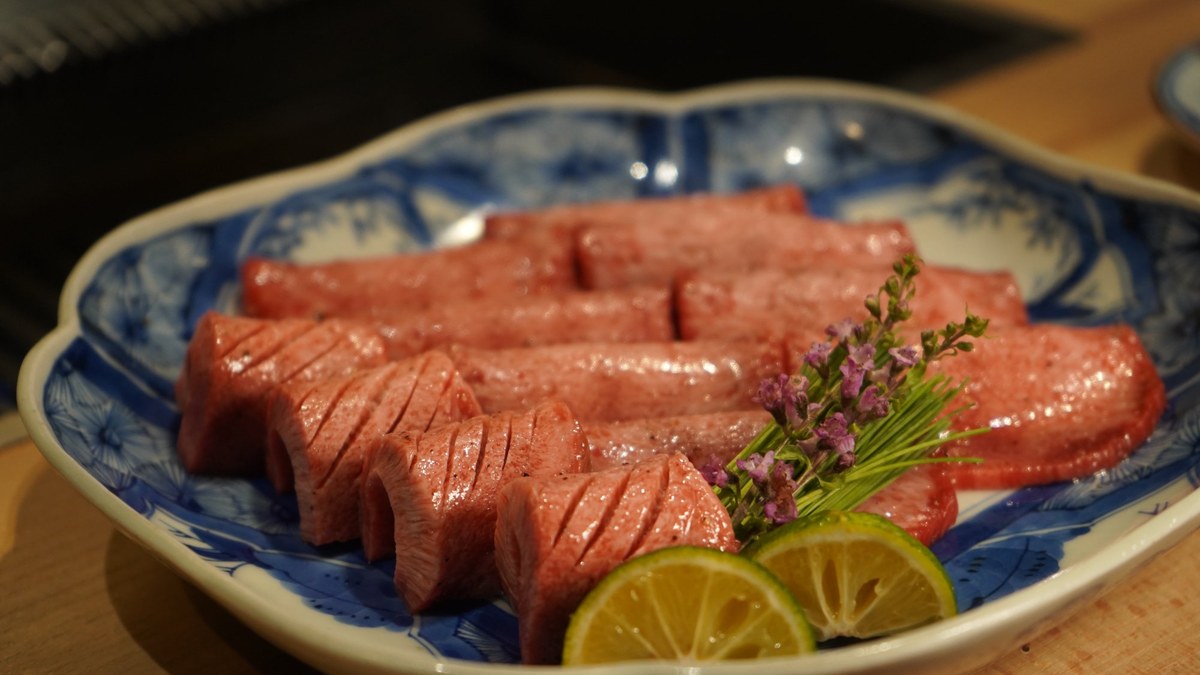
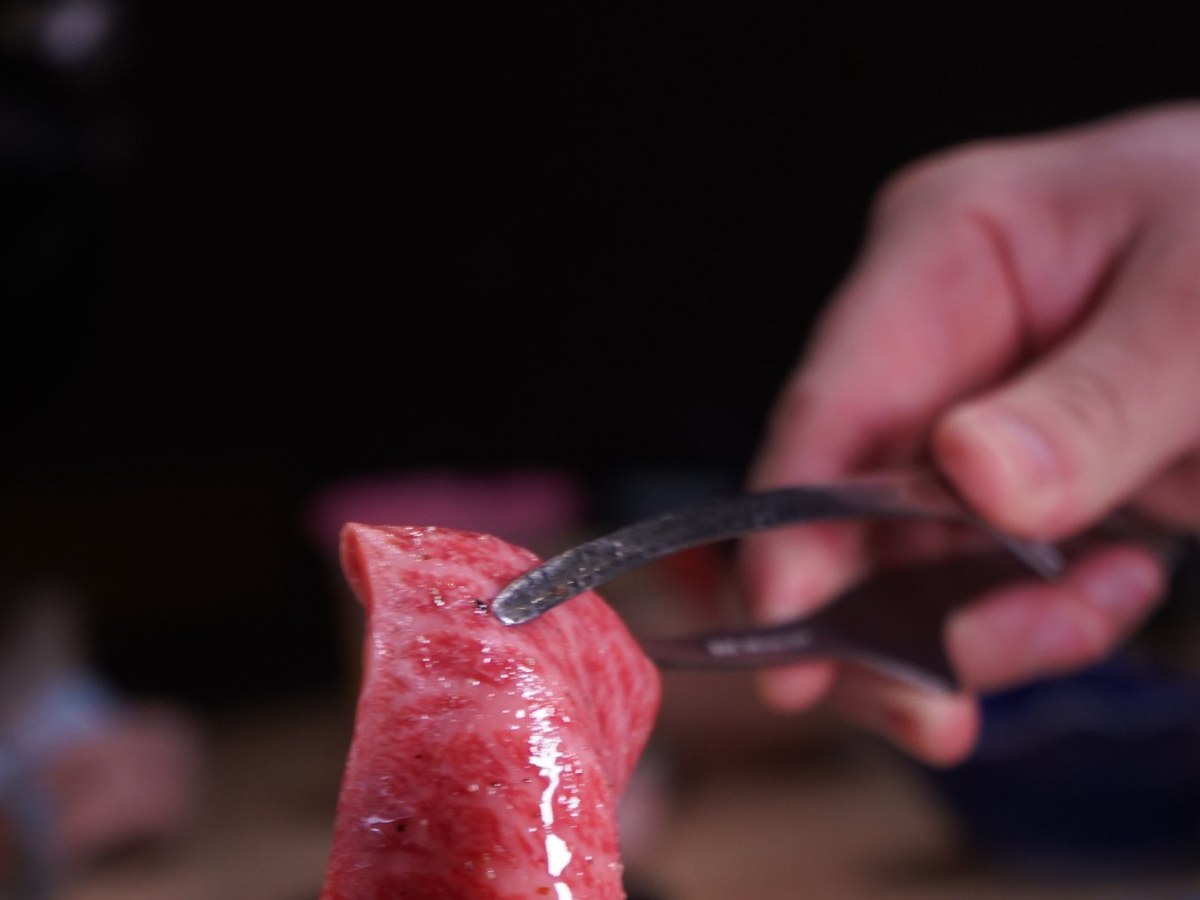
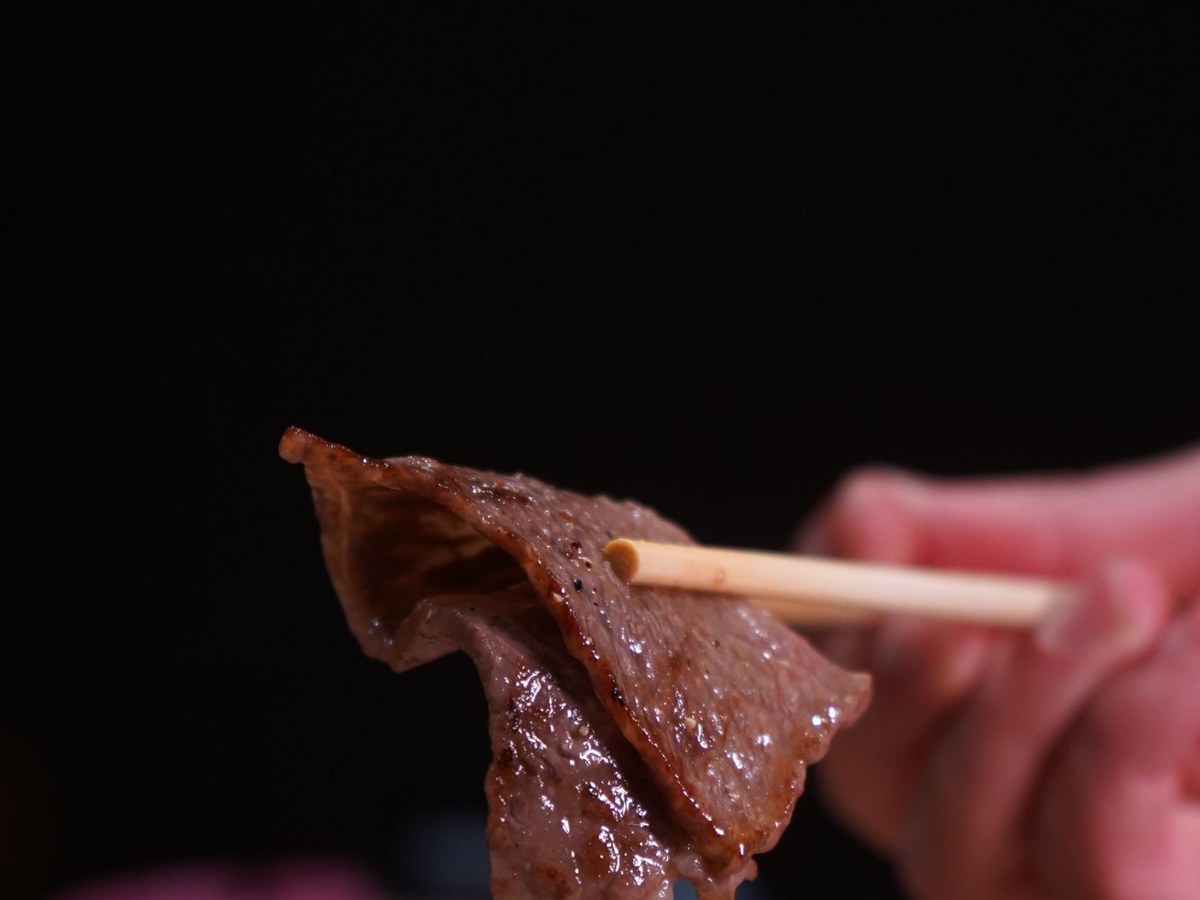
One of the standout features of the menu is the selection of Wagyu tongue aged for different lengths of time, allowing guests to explore how the flavour evolves. Tongue is already a classic yakiniku cut in Japan, but here it is treated with particular care.
Each version offers a distinctly different experience. Some cuts are served thick for a satisfying bite, while others are sliced thin or seasoned with spices to highlight different flavour profiles. The progression is worth ordering in sequence.
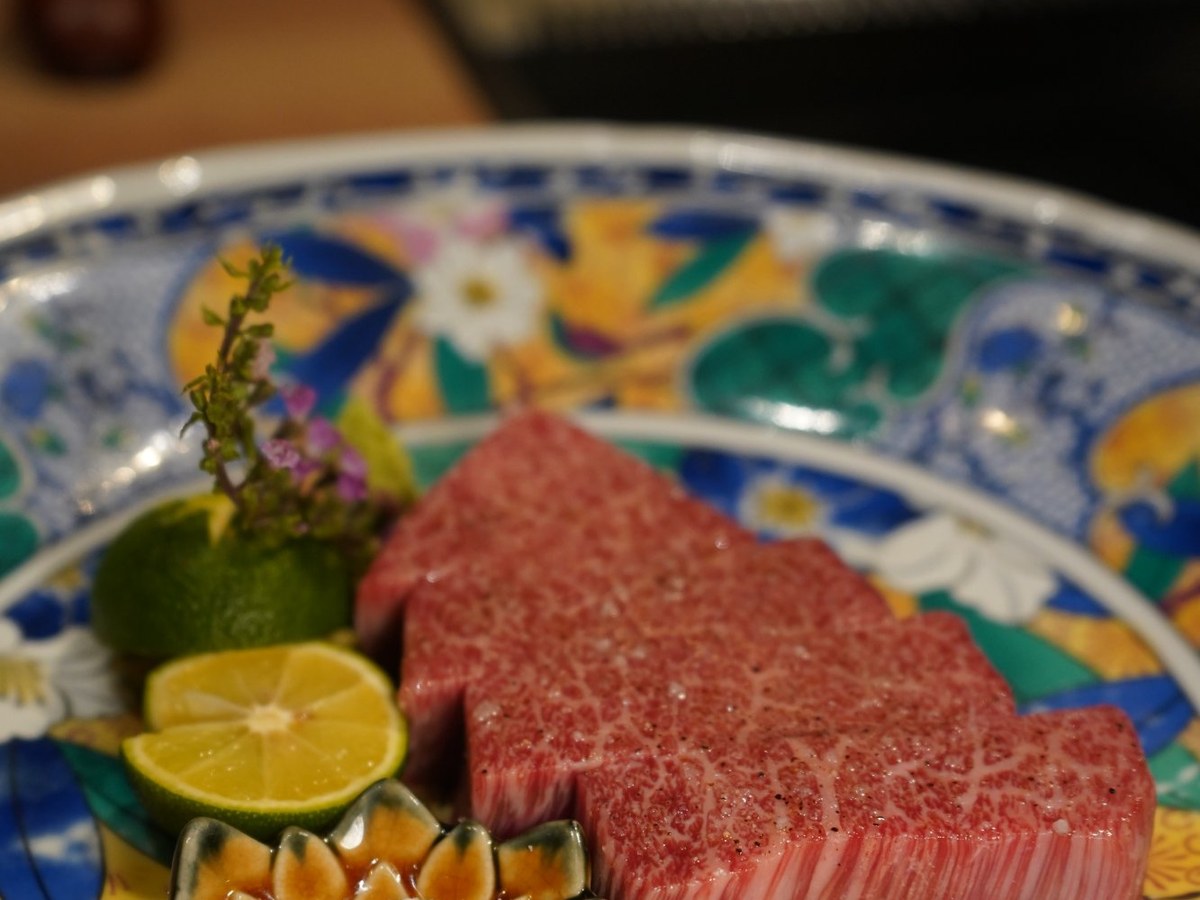
During our visit, we explored a range of dishes that reflect the restaurant's approach to Wagyu yakiniku. The meal included two styles of dry-aged Wagyu tongue, chijimi (a Korean-style savory pancake), chapuche (a stir-fried glass noodle dish), and a selection of four Wagyu cuts for yakiniku: Manyo Gyu Oyster Blade, Hokkaido Gyu Picanha, Rump, and Tri Tip. The meal finished with a Wagyu chateaubriand steak.
Side dishes like chijimi and chapuche reflect the Korean influence that has long been part of Japan's yakiniku culture. The Wagyu chateaubriand, taken from the centre of the tenderloin, offers a different experience from typical yakiniku cuts — thicker, softer, and closer to a steak presentation.
"The combination of fresh and aged Wagyu side by side is rare even in Japan. Kitan makes it the central point of the meal."
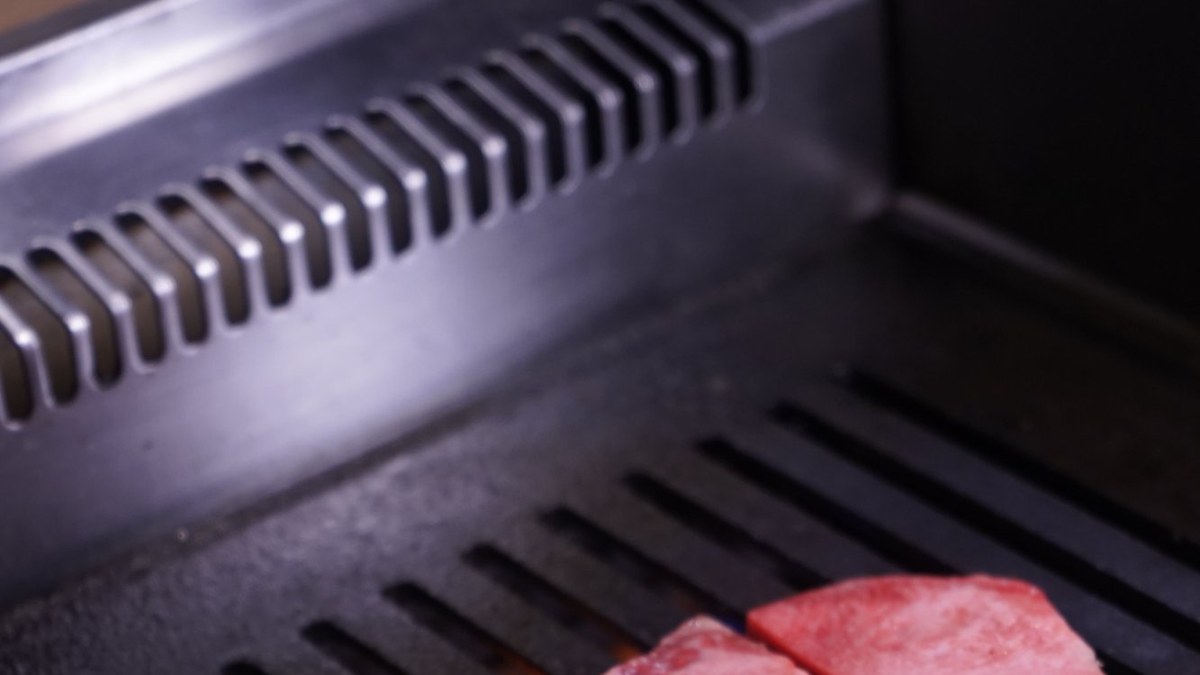
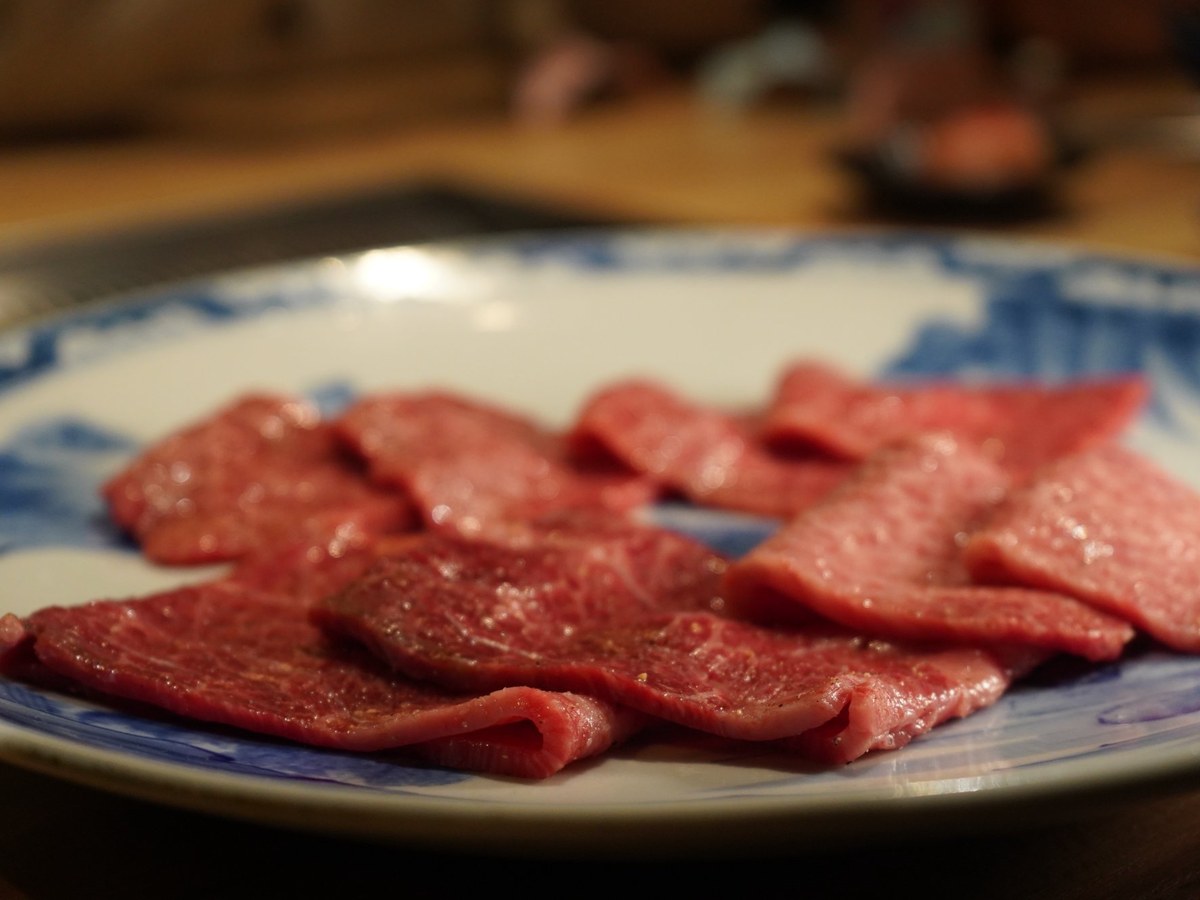
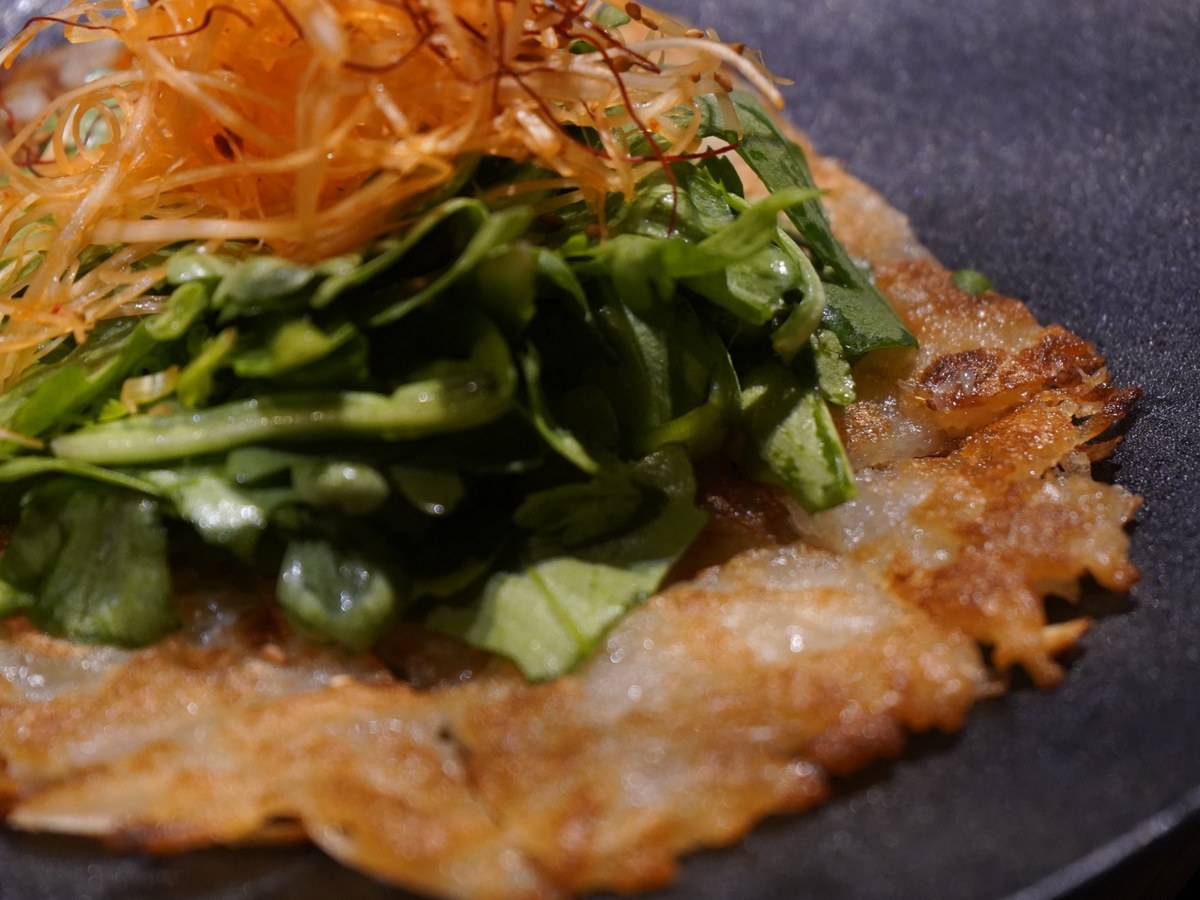
Within the Kitan group, each restaurant explores Wagyu from a slightly different perspective. While some concepts lean toward more formal dining, Kitan Minami-Semba focuses on a relaxed yakiniku format. The result is a restaurant where guests can enjoy carefully sourced Wagyu and dry-aged cuts without the formality of a high-end steakhouse. Combined with the atmosphere of the Minami-Semba neighbourhood, it fits naturally into a day exploring Osaka's food scene.
The Wagyu Record
Weekly dispatches on Wagyu culture, trade, and the people behind the world's most extraordinary beef.
No spam. Unsubscribe any time.